Best Home Brewing Equipment – Comprehensive Buying Guide
As an avid brewer myself, I understand that choosing the right home brewing equipment can be a daunting task. It's not just about making beer; it's about crafting something truly special. Over the years, I've experimented with various setups, and I've gathered valuable insights to help you navigate this exciting journey. Whether you're a novice looking to dip your toes into brewing or an experienced brewer aiming to upgrade your gear, this guide will equip you with the knowledge you need to make an informed decision.
Contents
1The Importance of Making the Right Choice
Choosing the right home brewing equipment is crucial for any aspiring brewer. The quality of your equipment influences not only the brewing process but also the taste and quality of the final product. Good equipment can help you control temperatures accurately, prevent contamination, and ensure consistency in your brews.
Additionally, investing in reliable home brewing equipment saves you time and frustration in the long run. Proper tools allow you to focus more on perfecting your recipes rather than troubleshooting equipment failures. For beginners, the right starter kit can ease the learning curve, providing all the essential tools to produce your first batch successfully.
As you develop your brewing skills, having a foundational understanding of your equipment enhances your ability to experiment and innovate. In the evolving landscape of home brewing, enjoying the process is paramount, and the right equipment will play a significant role in that enjoyment.
2Key Criteria for Selecting Brewing Equipment
When it comes to choosing home brewing equipment, several essential criteria should guide your decision-making process:
1. Capacity: Consider how much beer you want to brew at a time. Equipment comes in various sizes, and selecting one that suits your intended batch size is vital.
2. Material Quality: Stainless steel is preferred for most equipment due to its durability and resistance to rust and corrosion. Aluminium can also be used, but it may not last as long.
3. Ease of Use: Especially for beginners, user-friendly equipment that simplifies the brewing process can be a significant advantage. Look for systems with intuitive designs and clear instructions.
4. Temperature Control: Consistent temperature control during fermentation is critical for the quality of your beer. Equipment that allows precise temperature adjustments can greatly impact your brewing outcomes.
5. Price: Finally, your budget will play a crucial role in your decision. While it may be tempting to go for the cheapest option, investing in quality equipment can lead to better results and a more enjoyable brewing experience.
By evaluating these criteria carefully, you can choose equipment that suits your brewing style and goals efficiently.
3Our Top Recommended Home Brewing Equipment
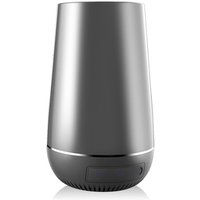
Wholesale 2019 New Arrive Speakers/Outdoor Lawn Sound System/Park Audio Equipment for JBL IPHONE AND Amazon
Alibaba UK
This 40-litre electric brew kettle features precise temperature control, ideal for the serious home brewer looking to enhance brewing consistency.
Pros
- Precise temperature control
- Large capacity
- Durable stainless steel material
- User-friendly digital interface
Cons
- Higher price point
- Requires power source
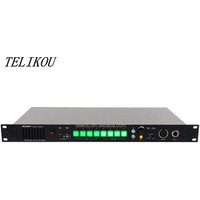
TELIKOU TM-800 wired intercom station professional Radio & TV Broadcasting Equipment
Alibaba UK
This all-in-one brewing system combines a kettle and fermenter, streamlining the brewing experience for home brewers.
Pros
- Integrates brewing and fermenting
- Time-saving
- High-quality stainless steel construction
- Compact design for easy storage
Cons
- Can be complex for new brewers
- Initial cost is significant
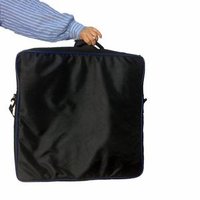
Studio lamp Bag for 18" Dimmable led ring light with Single shoulder strap for FE-480 NG-65C ring lamp, studio equipment
Alibaba UK
Wholesale Price ,Trade Assurance | Alibaba.com
SKL photographic equipment steadicam with vest for video DSLR camera stabilizer
Alibaba UK

Wholesale Price ,Trade Assurance | Alibaba.com
8MP Full HD 12X Optical Zoom 3D Object Presenting equipment Document Camera Scanner A3 Desktop HDM Visual Presenter for Trainer
Alibaba UK

Wholesale Price ,Trade Assurance | Alibaba.com
Kernel dslr camera video led ring light wedding photography lighting equipment 220v photo video studio light
Alibaba UK

Wholesale Price ,Trade Assurance | Alibaba.com
4Comparison Table of Recommended Equipment
| Feature/Equipment | Home Brew Starter Kit | Electric Brew Kettle | Complete Brewing System | Fermentation Chamber |
|---|---|---|---|---|
| Capacity | 30 litres | 40 litres | 40 litres | N/A |
| Material Quality | Plastic / Stainless | Stainless Steel | Stainless Steel | Plastic / Glass |
| Temperature Control | No | Yes | Yes | Yes |
| User-Friendly | Yes | Yes | Yes | Yes |
| Price Range | £100 - £200 | £250 - £400 | £300 - £500 | £150 - £300 |
5Practical Tips for Using and Maintaining Your Equipment
Proper maintenance of your home brewing equipment is as crucial as the brewing process itself. Here are essential tips to ensure your gear stays in optimal condition:
1. Cleaning and Sanitisation: Before and after each brewing session, thoroughly clean all equipment with hot soapy water. Use sanitising solutions approved for brewing to prevent contamination, which could ruin your batch.
2. Regular Inspection: Check hoses, connections, and seals for any signs of wear or leaks. Small issues can escalate quickly when brewing.
3. Storage: Store ingredients in a cool, dry place to prolong their shelf life. Likewise, ensure that your brewing equipment is stored in a place where it is protected from dust and contaminants.
4. Temperature Control: Invest in thermometers and fermentation temperature control systems. This practice enhances beer quality significantly.
5. Documentation: Keep a brewing journal to track batch successes and failures. Note the recipes, techniques, and any adjustments made for future reference.
By following these tips, you can enjoy brewing for years while producing quality beverages consistently.
Conclusion
In conclusion, selecting the best home brewing equipment involves careful consideration of your brewing goals and preferences. Investing in quality gear not only enhances your brewing experience but also the quality of the beer produced. I encourage you to compare the options presented, read user reviews, and consider your own brewing needs before making a purchase. Cheers to brewing great beer at home!